Reviewing the Military Truck Embroidery Design for Boutique Sweatshirts
As an embroidery designer who has spent years refining digitizing techniques and testing designs on various fabrics, I approach every new machine embroidery design with a critical eye. It is not just about whether the image looks good on a screen; it is about how it translates to fabric, how it withstands wear, and ultimately, how it elevates a brand. Recently, I had the opportunity to evaluate the Military Truck design for an upcoming limited drop of premium sweatshirts for a small boutique brand. The goal was simple: create a statement piece that balances rugged aesthetics with high-end comfort. Here is my professional breakdown of how this design performs in a real-world production scenario.
First Impressions and Aesthetic Mood
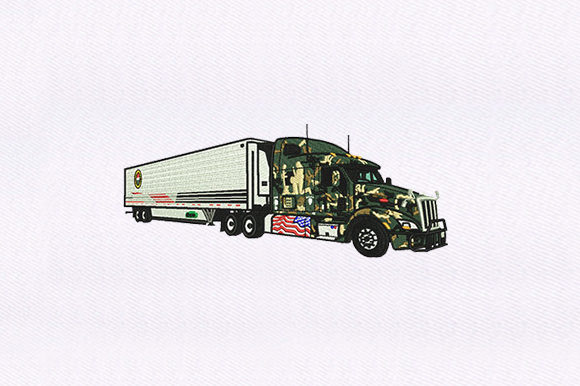
The first thing that strikes you about the Military Truck design is its bold, structural presence. With a width of 9.82 inches and a height of 4.05 inches, this is not a subtle accent; it is a centerpiece. The layout suggests a horizontal orientation that works exceptionally well across the chest or as a large back print. In terms of mood, the design leans heavily into a rustic, utilitarian vibe. It feels strong and grounded, making it an ideal choice for brands that want to convey durability and heritage.
When I loaded the embroidery file into my software to preview the stitch path, I noticed a significant stitch count of 70,713. This indicates a high level of detail and density. For a designer, this means the finished product will have substantial texture and weight. It does not look like a flat print; it looks like a crafted, tactile element. This level of intricacy can make a handmade product feel significantly more valuable to the end consumer, distinguishing it from mass-produced screen-printed apparel.
Performance on Sweatshirt Fabrics
Sweatshirt embroidery presents unique challenges due to the thickness and pile of the fabric. Testing the Military Truck on neutral-colored, heavy-weight cotton blends revealed excellent results. The design’s density helps it stand out against the fuzzy texture of fleece-backed sweatshirts. However, because of the high stitch count, proper stabilization is non-negotiable. I recommend using a medium-to-heavy cut-away stabilizer to prevent puckering, especially given the wide 6×10 hoop size requirement.
I also tested the design on darker fabrics, such as charcoal and olive green. The contrast here is crucial. If the thread colors are not chosen carefully, the details can get lost in the dark fabric. For a premium look, I suggest using matte threads rather than shiny polyester, as they blend more naturally with the casual nature of a hoodie design. On pastel colors, the design takes on a softer, more playful character, proving its versatility beyond just tactical or masculine themes. It can easily be adapted for a feminine or minimal aesthetic depending on the thread palette selected.
Placement and Branding Opportunities
For a boutique brand, placement is everything. The dimensions of the Military Truck make it perfect for a full-chest placement on oversized hoodies. This creates a modern, streetwear-inspired silhouette that is currently trending among Etsy sellers and independent apparel decorators. Alternatively, scaling the design down slightly—or focusing on a specific element of the truck—could work for sleeve accents, though the original file is optimized for the 6×10 hoop.
From a branding perspective, this design serves as a powerful visual anchor. It communicates a story of adventure and resilience. For customers browsing online, the tactile quality of the embroidery in product photography can drive higher engagement. A close-up shot showing the stitch definition of the truck’s wheels or grille can convey quality instantly. This visual recognition builds buyer trust, as customers can see the effort involved in creating the custom apparel.
Technical Considerations for Production
Before running a full production batch, there are several technical factors to consider. The provided file formats include DST, PES, EXP, and others, ensuring compatibility with most major embroidery machines. However, always check the specific requirements of your machine regarding the hoop size and file type. The 6×10 hoop is standard for many mid-size machines, but ensure your frame can accommodate the 9.82-inch width without hitting the machine arms.
Stitch density is another critical factor. With over 70,000 stitches, this design will take time to complete. Factor this into your pricing model. Additionally, the density means the fabric will become stiffer in the embroidered area. For a cozy seasonal apparel item, this is usually acceptable, but it is something to note if you are aiming for an ultra-soft, lightweight feel. Washing durability should be high if proper stabilizers and backing are used, but always advise customers to wash inside out to preserve the integrity of the threads.
Enhancing Product Value and Market Appeal
Incorporating a detailed design like Military Truck can significantly increase the perceived value of a small shop product. Customers are often willing to pay a premium for items that feature complex embroidery rather than simple prints. It signals craftsmanship and attention to detail. For digital sellers offering this as a digital embroidery file, providing mockups that show the design on various garments can help buyers visualize the potential. Including tips on thread colors and stabilizer choices in your listing description can further establish your authority and help customers achieve better results.
This design is not just a graphic; it is a design asset that can define a collection. Whether used for a rugged outdoor line or a vintage-inspired streetwear drop, it offers flexibility. The key is to treat it as a central element of your brand identity. Use it consistently in your marketing materials, from printable mockups to social media content, to build a cohesive visual narrative.
Final Verdict for Boutique Owners
The Military Truck embroidery design is a robust choice for designers looking to add a bold, textured element to their apparel line. Its high stitch count and detailed layout make it suitable for commercial use, provided that proper production techniques are followed. It works beautifully on sweatshirts and hoodies, offering a premium feel that resonates with today’s conscious consumers who value quality and craftsmanship.
Remember to verify all technical details, including the specific file formats and hoop requirements, before starting your project. With the right thread colors and stabilizer setup, this design can become a standout piece in your boutique brand’s portfolio, driving both sales and brand loyalty. It is a testament to how thoughtful digitizing and strategic placement can transform a simple garment into a desirable fashion statement.