Reviewing the Cute Cheerful Baby Pig Sketch Design
As a designer who spends half my life staring at digitized files and the other half watching needles punch through fabric, I have developed a keen eye for what works in the real world. We often see designs that look spectacular on a screen but fail miserably once thread hits cloth. Today, I am taking a close look at the Cute Cheerful Baby Pig Sketch. This is not just about whether it looks adorable—because it certainly does—but about how it functions as a practical asset for your next embroidery project.
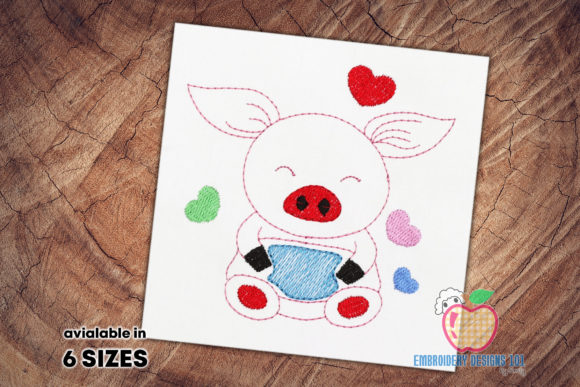
The first thing that strikes you about this design is its mood. It radiates a sense of playful innocence that is hard to fake. The sketch-style aesthetic gives it a hand-drawn charm, which immediately sets it apart from the rigid, overly perfect vector graphics we see so often. For those of us in the Wild Animals category of Embroidery, finding a balance between realism and whimsy is key. This baby pig leans heavily into whimsy, making it an ideal candidate for projects that require warmth and approachability rather than technical precision.
Real-World Application: The Custom Tote Bag Test
To truly evaluate a machine embroidery design, you have to imagine it in a specific context. Let’s say you are preparing a custom order for a local farmer’s market vendor who wants branded tote bags. They need something friendly, recognizable, and quick to stitch. Here is where the Cute Cheerful Baby Pig Sketch shines. Because the description notes that these are "not 100% filled," the design relies on open space and line work rather than dense saturation.
This is a massive advantage for a tote bag design. Heavy fill stitches can warp canvas or cotton duck fabric, causing the bag to pucker around the logo. A sketch-style approach with lighter stitch density allows the natural texture of the fabric to breathe. When I visualize this stitched onto a natural beige canvas, the contrast of dark thread against the light background creates a sophisticated yet rustic look. It feels intentional and artistic, rather than just slapped on. For an Etsy seller or small shop owner, this translates to a higher perceived value because the finished product looks like a boutique item rather than mass-produced merchandise.
Versatility Across Apparel and Home Decor
Beyond tote bags, this design has significant potential in custom apparel. Imagine this pig centered on the chest of a children’s sweatshirt or as a small pocket accent on an adult’s denim jacket. The "quick stitch" nature mentioned in the product details suggests efficiency. For a craft business owner, time is money. A design that stitches out fast without sacrificing visual impact is a goldmine for high-volume periods like the holidays.
Consider baby embroidery projects. Soft, stretchy fabrics like jersey or interlock require careful handling. Since this design is not densely filled, it is less likely to cause the fabric to stiffen or crack after washing. This makes it a safer choice for onesies or baby blankets compared to heavy satin stitch alternatives. However, you must still use the correct stabilizer. Even with low density, stretchy fabrics need support to prevent distortion during the stitching process.
In home decor, think about kitchen towels or pillow covers. The cheerful personality of the pig fits perfectly into a farmhouse or nursery aesthetic. As a personalized gift, you could easily pair this graphic with a simple monogram below it. The sketch style blends well with script fonts, creating a cohesive look that feels handmade and thoughtful.
Technical Considerations and Fabric Choices
While the design is versatile, it is not without its limitations. The sketch style relies on clarity of line. This means your choice of thread colors is critical. On dark fabrics, you will need a high-contrast thread color to ensure the details remain visible. If you attempt to stitch this in a tone-on-tone color scheme on a textured fabric, the details may get lost. Always test your embroidery file on scrap fabric first. This is non-negotiable for professional results.
Another factor is the hoop size. The product description states it comes in multiple sizes. You must match the hoop size to the specific version of the design you choose. Do not attempt to scale a small version up significantly, as this can distort the aspect ratio and make the lines appear jagged or uneven. Conversely, shrinking a large version too much might cause the stitches to merge, losing the delicate sketch effect.
Be cautious with curved surfaces like caps. While the low density helps, the lack of solid fill means the design might not stand out as boldly on a structured cap as it would on a flat tote bag. If you are doing sweatshirt embroidery or working with fleece, consider using a cut-away stabilizer to provide long-term stability, especially if the garment will be washed frequently.
Enhancing Brand Value and Customer Trust
For digital product sellers and creative entrepreneurs, the quality of your design assets directly impacts your brand reputation. Using a well-digitized, aesthetically pleasing design like the Cute Cheerful Baby Pig Sketch signals professionalism. When customers see clean lines and balanced spacing in your printable mockup or actual photos, they trust that the final finished product will meet their expectations.
This design also offers great flexibility for marketing. You can showcase it on various items in your online store—from aprons to patches—demonstrating its versatility. This helps buyers visualize how they can use it in their own embroidery project. For commercial embroidery clients, presenting a design that is both charming and efficient to produce can help you close deals faster. It shows you understand both the artistic and practical sides of the business.
Practical Designer Notes for Best Results
Before you load this design into your machine, keep these practical tips in mind:
- Check Thread Contrast: Ensure your thread color stands out against your fabric. Test on both light and dark backgrounds if you plan to offer multiple options.
- Verify Stabilizer Type: Use a tear-away stabilizer for woven fabrics like tote bags and a cut-away for knits like sweatshirts to maintain shape over time.
- Inspect Small Details: Zoom in on your digitizing software to check for any stray stitches or jumps that might need trimming.
- Confirm Licensing: Always review the license terms provided with the digital embroidery file. Ensure you have the right to sell finished items if you are running a business.
- Test Stitch Density: If your machine allows, run a test stitch on similar fabric to check for puckering or thread breaks.
The Cute Cheerful Baby Pig Sketch is a strong addition to any designer’s library. It balances charm with practicality, offering a quick-stitch solution that does not compromise on character. Whether you are creating a holiday embroidery gift, stocking your small shop product line, or designing a custom patch, this design holds up well under scrutiny. Just remember to respect the materials you are working with, choose your threads wisely, and always test before you commit to the final piece. Happy stitching!