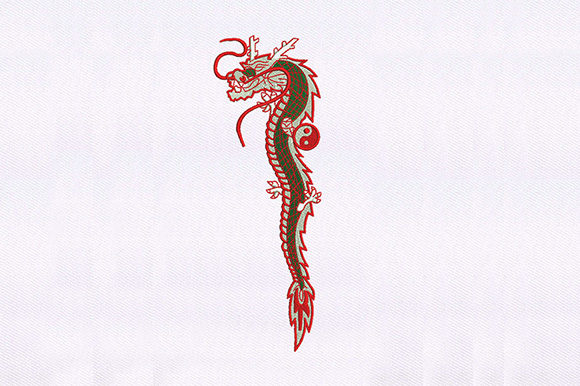
Dragon Puppet Design: A Designer’s Practical Review
When I first loaded the Dragon Puppet Design onto my screen, I wasn’t looking for flashiness. As an experienced embroidery designer and reviewer, I look for utility, stitch logic, and visual balance. This design, rooted in Asian artistic traditions, immediately struck me as a piece that bridges the gap between traditional folklore and modern craft application. It is not just a decorative element; it is a statement piece that requires thoughtful execution to truly shine in a real-world project.
The visual personality of this design is bold yet intricate. The layout suggests a dynamic movement, typical of dragon imagery in Asia, where the creature is often seen as a symbol of power and good fortune. For a machine embroidery design, this presents both an opportunity and a challenge. The curves are sweeping, which is excellent for satin stitch applications, but the level of detail means that stitch density must be managed carefully to avoid puckering or fabric distortion.
First Impressions and Visual Mood
The mood created by the Dragon Puppet Design is one of playful mystique. Unlike fierce, aggressive dragon depictions, this "puppet" style implies articulation and character. It feels approachable, making it highly suitable for a broader range of products than you might initially assume. While it certainly fits within the niche of cultural or themed Embroidery, its aesthetic versatility allows it to work in contemporary settings as well.
What stands out most is the potential for color play. The design does not rely on a single thread palette. Instead, it invites creativity. In my initial assessment, I imagined how different thread colors could shift the entire vibe of the piece. A traditional red and gold scheme honors the cultural roots, while a pastel or monochromatic approach could modernize it for a nursery or boutique fashion line. This flexibility is a significant asset for any craft business owner looking to diversify their product offerings.
Real-World Application: The Custom Tote Bag Scenario
To truly evaluate a design, I always visualize it in a specific, tangible product. Let’s consider a custom embroidered tote bag. This is a staple item for Etsy sellers and small shop owners. Using the Dragon Puppet Design on a heavy canvas tote offers a sturdy base that can handle the stitch density without excessive stabilizer requirements.
In this scenario, the design would likely sit prominently on the front panel. The bold lines of the dragon would catch the eye from a distance, serving as an effective branding tool or a unique selling point for a handmade product. Customers are drawn to items that tell a story, and a dragon motif inherently carries narrative weight. Whether it is marketed as a protective charm or simply a cool artistic graphic, the finished product feels substantial and valuable.
However, placement is key. On a tote, you have ample space, but on smaller items like a baby onesie or a cap, the scale becomes critical. I would advise resizing the design carefully if moving from a large bag to a smaller garment. The intricate details that look stunning at six inches might become a muddy cluster of threads at two inches. Always check the minimum recommended size for your specific machine and thread type.
Performance on Different Fabrics and Hoops
One of the most practical aspects of reviewing a digital embroidery file is understanding how it interacts with various textiles. The Dragon Puppet Design performs best on stable, medium-to-heavy weight fabrics. Cotton twill, denim, and canvas are ideal candidates. These materials provide the necessary support for the fill stitches and satin borders that likely define the dragon’s scales and features.
When working with stretchy fabrics, such as those used for sweatshirt embroidery or custom apparel, extra caution is required. The density of the design could cause the fabric to pucker if not properly stabilized. I strongly recommend using a cut-away stabilizer for knit fabrics to ensure the design remains flat and durable after washing. For thin fabrics, a tear-away stabilizer might suffice, but testing on scrap fabric is non-negotiable. You need to see how the needle penetrates the material and whether the thread tension needs adjustment.
Curved surfaces, like caps or hats, present another challenge. The dragon’s elongated shape might not conform well to the tight curve of a baseball cap unless the design is significantly scaled down or simplified. For an embroidered patch, however, this design excels. Patches allow you to embroider on a stable backing before applying them to the final garment, giving you full control over the hoop size and stabilizer choice. This makes the design a versatile asset for creating merchandise that can be applied to jackets, bags, or hats later.
Stitch Quality and Technical Considerations
From a technical standpoint, the success of this design hinges on stitch clarity. In complex motifs like dragons, there is a risk of "thread nesting" where dense areas overlap too much. A well-digitized file will use underlay stitches effectively to anchor the top stitches and prevent shifting. When reviewing the file formats provided—such as DST, PES, JEF, and EXP—I look for clean pathing. While I cannot inspect the actual code here, the visual output suggests a professional digitization job.
Thread color contrast is another vital factor. To make the dragon pop, choose threads that contrast sharply with the background fabric. If you are stitching on dark fabric, consider using lighter or metallic threads to highlight the scales and eyes. Conversely, on light fabric, deep, rich colors will provide the necessary definition. Testing the design in black and white mockups can help you identify areas where contrast might be lost, allowing you to adjust your thread selection before you start stitching.
Commercial Viability and Brand Consistency
For commercial embroidery projects, consistency is king. If you are an Etsy seller or a boutique owner, you need designs that reproduce reliably across multiple units. The Dragon Puppet Design, with its clear lines and defined shapes, offers good repeatability. However, always confirm licensing terms before selling finished items. Most digital embroidery files come with specific licenses regarding personal versus commercial use. Ensure you have the right to sell products made with this design to avoid legal issues down the line.
This design adds significant perceived value to handmade products. It moves beyond generic clipart into the realm of specialized art. For holiday gifts or personalized products, it offers a unique touch that mass-produced items lack. Whether used for Lunar New Year celebrations, fantasy-themed parties, or everyday wear, it appeals to buyers looking for something distinct.
Practical Designer Notes for Best Results
- Test on Scrap Fabric: Always run a test stitch-out on the same type of fabric you plan to use for the final product. This helps you identify tension issues or density problems early.
- Check Stabilizer Compatibility: Match your stabilizer to the fabric weight. Heavy fabrics may need less support, while knits require robust cut-away stabilizers.
- Review Stitch Density: If your machine struggles with dense areas, consider editing the file to reduce density in non-critical zones, though this requires advanced digitizing skills.
- Confirm Hoop Size: Ensure your hoop is large enough to accommodate the design without needing to re-hoop, which can lead to alignment errors.
- Inspect Small Details: Zoom in on the preview to check for tiny elements that might not stitch out cleanly. Sometimes, simplifying small details improves the overall look.
- Verify File Formats: The design comes in multiple formats including 10O, ART, CND, DSB, DST, DSZ, EXP, HUS, JEF, PCS, PEC, PES, TAP, VIP, VP3, and XXX. Choose the format compatible with your specific machine software to ensure optimal reading of stitch data.
In conclusion, the Dragon Puppet Design is a robust and visually engaging option for designers and makers. It respects its cultural origins while offering modern versatility. By paying attention to fabric choice, stabilization, and scale, you can transform this digital file into a high-quality finished product that resonates with customers. Whether you are creating a single personalized gift or a line of small shop products, this design holds up under scrutiny and delivers professional results when handled with care.